When a tooth is damaged beyond repair, you may hear that a tooth extraction or implant is the best way to restore function and appearance. This guide explains your choices when a tooth needs removal, and you’re considering a tooth extraction implant near Oklahoma City. Read on to learn when extraction plus implant is appropriate, the difference between immediate and delayed implants, factors that affect success, pain and sedation expectations, alternatives, cost considerations, and the step-by-step treatment path. By the end, you’ll know the questions to ask and the next steps for a personalized plan near Oklahoma City.
When a Tooth Extraction Implant Near Oklahoma City Is the Right Choice
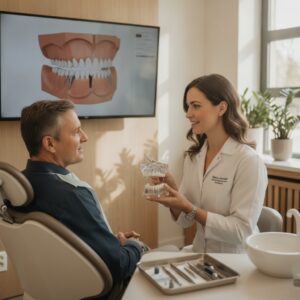
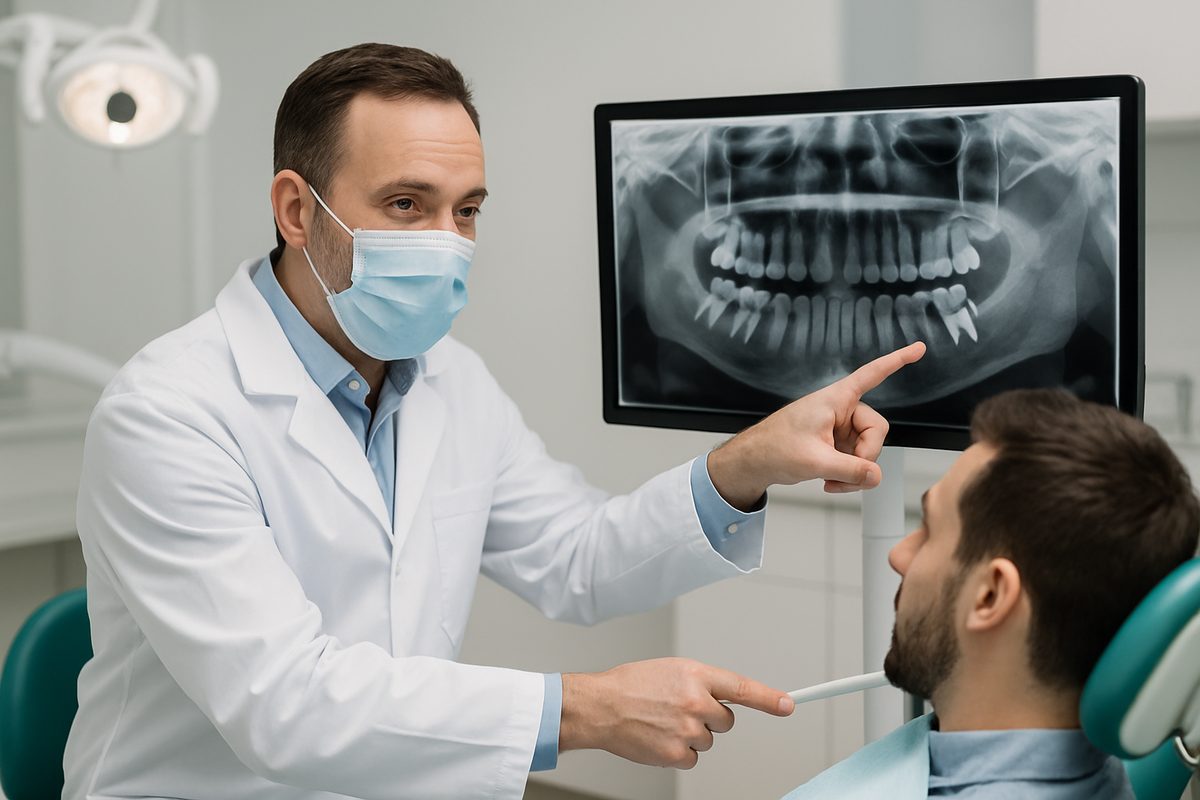
A tooth extraction implant is often recommended when a tooth is too damaged to save, such as severe decay, a fractured root, or a failed root canal. The goal is to remove the problem tooth, preserve or restore bone, and replace the root with a titanium implant that anchors a crown. Choosing implants aims to restore chewing function, protect nearby teeth from shifting, and prevent bone loss that can occur when teeth are missing. Your dentist will evaluate X-rays, your bite, and your overall health to decide whether extraction and implantation are the best option.
Immediate vs. Delayed Tooth Extraction Implant Near Oklahoma City
Immediate (same-day) implants
Immediate tooth extraction and implant procedures place the implant on the same visit as the extraction. Pros include fewer surgeries, a quicker timeline, and better preservation of the socket’s bone and gum shape. Immediate placement can be ideal when there is no active infection, and the bone quality is good. The main risk is a higher chance of implant failure if an unseen infection, thin bone, or poor primary stability is present. Your dentist will use imaging and exam findings to confirm if same-day placement is safe.
Delayed implants
Delayed implants mean waiting 3–6 months (or longer) after extraction before placing the implant. This approach is safer when an infection is present, when significant bone grafting is needed, or when soft tissue must heal. Waiting allows the bone to fill the socket or the graft material to integrate, improving long-term stability. The trade-off is a longer overall timeline and the temporary need for a removable prosthesis or flipper to fill the gap while healing occurs.
What Affects the Success of a Tooth Extraction Implant Near Oklahoma City
Bone quality and bone grafting
A strong, dense jawbone helps implants integrate (osseointegrate) and last for decades. After extraction, the socket can shrink; if the bone is too thin, your dentist may recommend a bone graft or sinus lift to rebuild volume. Grafts can be made from your own bone, donor bone, or synthetic materials. These add time and cost but greatly improve the chance that a tooth extraction implant will succeed and look natural in the long term.
Oral health, infection, and medical factors
Gum disease, active infection at the extraction site, smoking, uncontrolled diabetes, and certain medications (like some osteoporosis drugs) raise the risk of implant failure. Good oral hygiene, treating gum disease before surgery, and disclosing your full medical history help the team plan safely. Your provider may recommend smoking cessation or blood sugar control before moving forward.
Pain, Sedation, and Recovery After a Tooth Extraction Implant
Expect some soreness and swelling after extraction and implant placement. Pain is usually managed with over-the-counter meds and prescription pain relievers as needed. Typical recovery: the first 48–72 hours are the most uncomfortable, then steady improvement over 1–2 weeks. Osseointegration, where bone fuses to the implant, takes 3–6 months. Sedation options range from oral sedation and nitrous oxide to IV sedation for anxious patients or longer surgeries—ask your provider which level is appropriate for a tooth extraction or implant.
Alternatives to a Tooth Extraction Implant Near Oklahoma City
Alternatives include fixed bridges, removable partial dentures, or leaving the space empty. Bridges restore function and look by using adjacent teeth for support, but require altering healthy teeth and do not prevent bone loss at the extraction site. Removable partials are less expensive up front but can be less comfortable and require ongoing replacement. Leaving the space risks shifting teeth, bite changes, and faster bone loss. Discuss lifespan, maintenance, and impact on nearby teeth when comparing options.
Costs, Insurance, and Financing for a Tooth Extraction Implant Near Oklahoma City
Costs vary depending on extraction complexity, the need for bone grafts or a sinus lift, and the implant post, abutment, and final crown. A single-tooth implant extraction can range widely—ask for an itemized estimate. Insurance may cover part of the extraction, but often limits implant coverage. Many patients use dental financing (CareCredit, Cherry, Proceed Finance), in-house payment plans, or split treatment into phases to spread the cost. A consultation will give a clearer estimate for your specific needs.
What Happens During Treatment: From Extraction to Final Crown
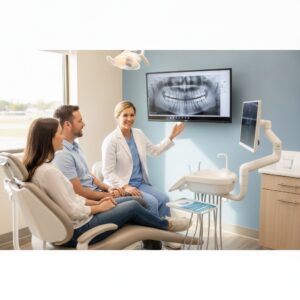
Initial consultation and digital planning: X-rays or CBCT scans map bone and guide implant placement.
Extraction: the tooth is removed while preserving bone where possible. Implant placement: a titanium post is placed into bone; if immediate placement is chosen, this may occur at the same visit.
Healing/osseointegration: bone fuses to the implant over months.
Abutment and crown: after healing, an abutment connects the implant to a custom crown.
Same-day CEREC crowns may be an option for temporary or final restorations in select cases, shortening the timeline.
Why Choose Dentistry By Design for a Tooth Extraction Implant Near Oklahoma City
Dentistry By Design provides single-site care in Midwest City, including digital planning, in-house surgical suites, CEREC same-day crowns, All‑on‑4 options, ozone therapy for improved healing, and multiple sedation options. The team offers clear education, experienced doctors, and flexible financing to make implant care accessible. For patients near Oklahoma City, this setup reduces the need for referrals and keeps treatment efficient and coordinated from extraction to final crown.
Next Steps: How to Schedule a Consultation for a Tooth Extraction Implant Near Oklahoma City
Bring your medical history, any recent X-rays, and a list of questions (timeline, costs, sedation options, alternatives). Ask about imaging, bone graft needs, and a written estimate. Call or book a digital planning visit to get a personalized timeline and cost estimate for a tooth extraction implant near Oklahoma City. A clear plan will help you move forward with confidence.