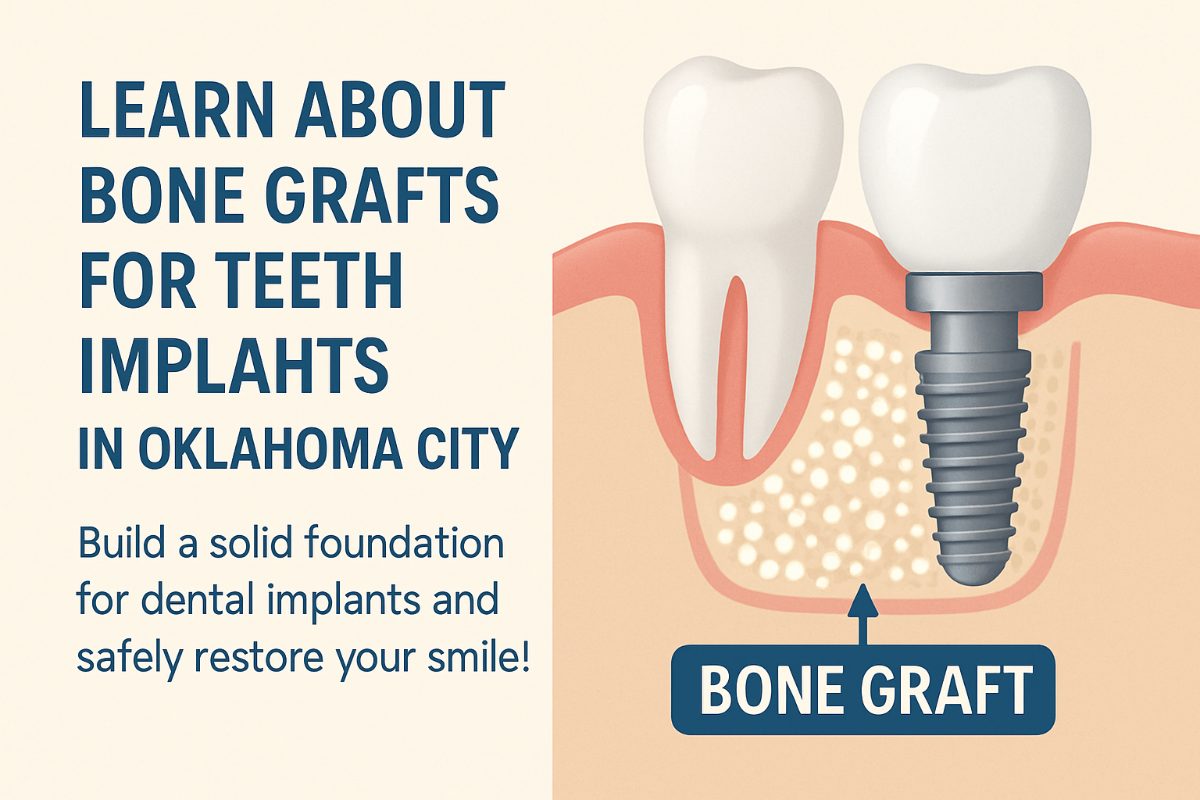
Quick answer: A bone graft rebuilds areas of the jaw where bone has been lost, creating enough healthy bone to securely support a dental implant. It’s a common step for patients who’ve been missing teeth for a while, since the jawbone naturally shrinks once a tooth root is gone. Not every implant patient needs one, but for those who do, it’s often what makes implant treatment possible at all.
Hearing you might need a bone graft before getting implants can sound like an extra hurdle, but it’s a routine, well-established procedure. Here’s what it actually involves and how to know if you need one.
Why Bone Loss Happens in the First Place
Once a tooth is missing, the jawbone underneath it loses the stimulation it needs to maintain its density, and it gradually shrinks. The longer a tooth stays missing, or the longer someone wears a traditional denture, the more pronounced that bone loss tends to be — which is exactly the problem dental implants are uniquely good at preventing once they’re placed.
How We Determine If You Need One
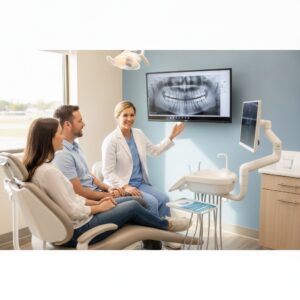
At your consultation, imaging shows us your bone density and volume at the implant site. If there isn’t enough bone to securely support an implant, a graft is recommended before or sometimes during the same procedure as implant placement.
How the Procedure Works
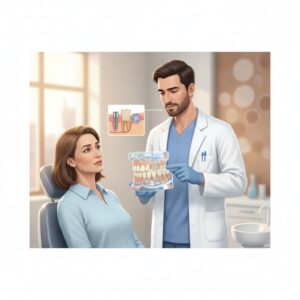
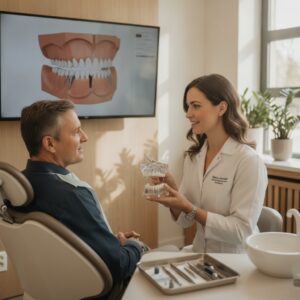
Bone graft material, whether from your own body, a donor source, or a synthetic option, is placed at the site needing more bone, then given time to integrate with your existing bone. Depending on your case, this can sometimes be combined with implant placement in a single visit rather than requiring a separate procedure first — your surgeon will determine which approach fits your situation during oral surgery planning.
What Recovery Looks Like
Some swelling and mild discomfort in the days following the procedure is normal and manageable with standard aftercare. Full integration of the graft material with your existing bone typically takes a few months before an implant can be placed, if it wasn’t done at the same time.
Are There Risks?
As with any surgical procedure, there’s a small risk of infection or the graft not integrating as expected, though this is uncommon with proper care and follow-up. We’ll walk through what to watch for after your procedure so you know when something’s worth a call.
Comfortable Treatment
For patients who feel anxious about oral surgery, sedation dentistry is available to make the procedure more comfortable from start to finish.
What This Means for Full-Arch Treatment
If you’re considering full mouth dental implants, some approaches, like All-on-4, are specifically designed to work with less bone, which can reduce or eliminate the need for grafting in certain cases.
Paying for Bone Grafting
Cost depends on how extensive the grafting needs to be. We work with most major insurance plans and offer flexible financing to help make treatment manageable.
Frequently Asked Questions
Do I definitely need a bone graft to get implants? Not necessarily — it depends on how much bone you currently have at the implant site. Imaging at your consultation will tell us whether grafting is needed for your case.
Can bone grafting be done at the same time as implant placement? In some cases, yes. Depending on how much bone is needed and where, your surgeon may combine the two procedures or recommend grafting first with healing time before implants go in.
How long does it take for a bone graft to heal? Full integration typically takes a few months, though the exact timeline depends on how much grafting was needed and your individual healing.
Is bone grafting painful? Most patients describe recovery as manageable with standard pain medication, similar to other minor oral surgery procedures. Sedation options are also available if you’d prefer to be more relaxed during the procedure itself.
Can I avoid needing a bone graft? Some implant approaches, like All-on-4, are designed to work with less bone and may reduce or eliminate the need for grafting. We’ll evaluate this at your consultation.
Does insurance cover bone grafting? Coverage varies by plan. Our insurance and financing page outlines what we accept and the options available.
Wondering If You Need a Bone Graft?
Contact us to schedule a consultation at our Midwest City, OK office, and we’ll evaluate your bone density with imaging before recommending next steps.