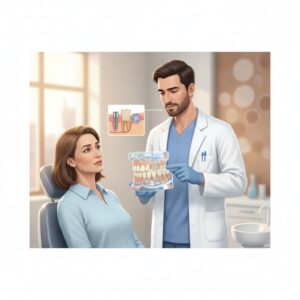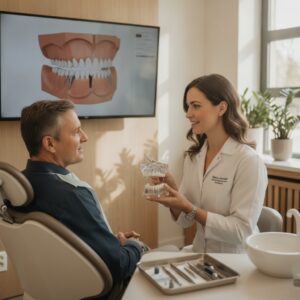
Many patients find the idea of bone grafting for implants intimidating at first. Clear explanations can make the process easier to understand and less concerning. Bone grafting is a routine, effective procedure that strengthens areas of the jaw where bone has weakened or thinned. At Dentistry by Design in Midwest City, OK, bone grafting supports jaw reconstruction, improves eligibility for dental implants, and promotes long-term oral health. By restoring lost bone, this procedure helps ensure dental implants are stable, secure, and long-lasting.
Why Bone Grafting is Necessary
Bone grafting is necessary when there is not enough natural bone in the jaw to support dental implants. Without sufficient bone, implants may not integrate properly or could fail. Bone loss can result from long-term tooth loss, advanced gum disease (periodontitis), jaw trauma, or natural bone resorption with age. In these cases, bone grafting rebuilds the jawbone, creating a stronger foundation. This support improves implant success rates and enhances facial structure, bite function, and overall oral health.
The Bone Grafting Process for Dental Implants
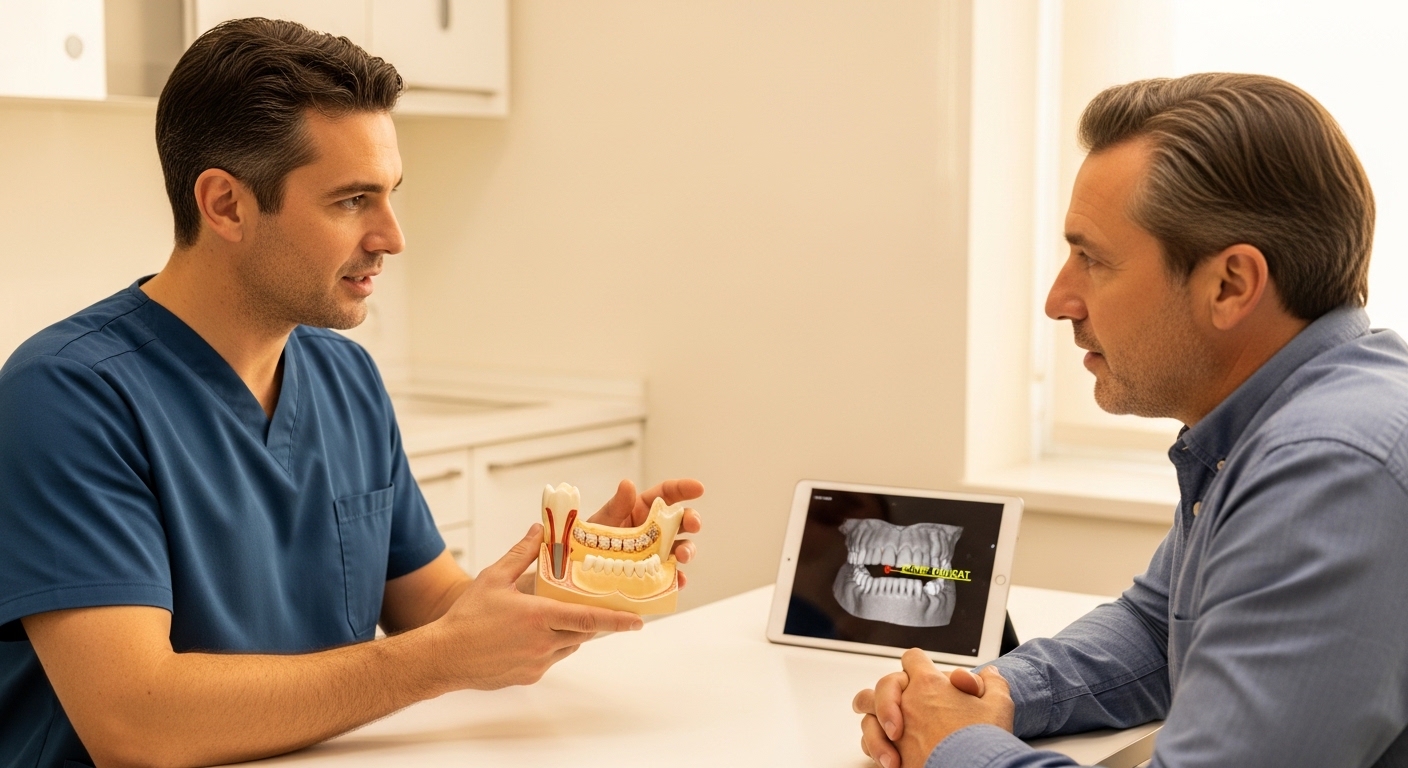
The bone grafting process for dental implants begins with a thorough examination and consultation to assess your oral health, jawbone density, and treatment goals. This evaluation may include the bone grafting process, which begins with a comprehensive examination and consultation to assess oral health, jawbone density, and treatment goals. This evaluation may include digital X-rays, 3D imaging, and a review of your medical history to determine the best approach. At Dentistry by Design, the team uses advanced technology and high-quality graft materials, including donor bone, processed bone, and synthetic substitutes, to customize the procedure. During treatment, the graft is placed in the deficient area and secured for stability during healing. Over several months, the graft fuses with your natural bone through osseointegration, creating a strong foundation for dental implants. A few days. These symptoms are usually well-managed with prescribed or over-the-counter pain medication and by following your post-operative instructions closely. Patients are typically advised to stick to a soft-food diet for a short period, avoid smoking, and keep the area clean to promote proper healing. Carefully following the detailed aftercare plan provided by Dentistry by Design is crucial for optimal recovery and to protect the graft site. Regular follow-up visits allow the dental team to monitor how well the graft is integrating with your natural bone, answer any questions, and determine when your jaw is ready for the next step—placing the dental implant or implants.
When to Consider Bone Grafting
Consider bone grafting if you have been missing teeth for a long time, have a history of gum disease, or have previously been told you lack sufficient bone for implants. Even if you use dentures or bridges, bone grafting may provide access to more secure, permanent tooth replacement options. During a personalized consultation, the team at Dentistry by Design will evaluate your oral health, review X-rays, and discuss your goals to determine whether you are a candidate for dental implants and bone grafting. They will explain your options, answer questions, and outline what to expect at each stage.
What is coming next
If you are considering dental implants and may need bone grafting, schedule a professional evaluation. Contact Dr. Harroz in Midwest City, OK to discuss whether bone grafting is right for you. Their team provides coordinated care, from consultation and imaging to bone grafting and implant placement, ensuring convenience and continuity. With a customized plan, clear communication, and modern technology, they strive to make your procedure comfortable and predictable. Schedule your appointment today to begin your path to a stronger jaw, secure implants, and a healthier, more confident smile.