If your dentist has mentioned that you may need a bone graft before getting a dental implant, you’re not alone—and there’s no need to worry. Bone grafting is one of the most common preparatory procedures in modern dentistry, and it’s often the key to getting a strong, long-lasting implant that looks and feels like a natural tooth.
This guide walks you through what bone grafting is, why it’s sometimes needed, what to expect during the procedure, and how to recover comfortably.
Why Bone Grafting Matters
Dental implants work by anchoring a titanium post into your jawbone, where it acts as a replacement root for a new tooth. For that to work well, you need enough healthy bone in the right place to hold the implant securely.
The problem is that the jawbone doesn’t always cooperate. When a tooth is missing for a long time, the surrounding bone starts to shrink—a process called resorption. The body essentially says, “There’s no tooth here anymore, so I don’t need to maintain this bone.” Over months and years, the ridge of bone where the tooth used to be can become too thin or too short to support an implant.
A bone graft solves this problem by adding a new scaffold to the area, encouraging your body to grow fresh, healthy bone that can support an implant.
What Exactly Is a Bone Graft?
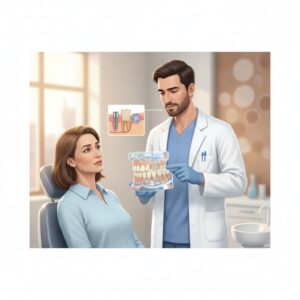
A bone graft is a small amount of bone material placed into an area of your jaw that needs more volume or density. Over time, your body integrates this material and builds new bone around it.
The graft material most commonly used is an allograft—processed and sterilized bone from a human donor. Allografts have been used safely and successfully in dentistry for decades, and donor tissue goes through rigorous processing to make sure it’s sterile and biocompatible.
When Is a Bone Graft Needed?
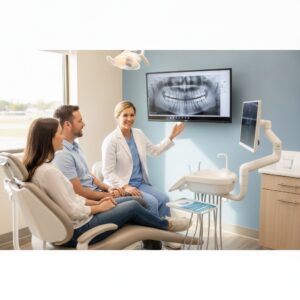
Not everyone who gets an implant needs a graft. Your dentist will use X-rays and often a 3D scan (called a CBCT) to evaluate your bone before recommending one. Common scenarios where grafting is needed include:
- A tooth has been missing for a long time and the bone has shrunk
- A tooth was just extracted and the socket needs to be preserved
- Gum disease has damaged the surrounding bone
- The sinus cavity sits too close to where an upper implant needs to go (this calls for a specific procedure called a sinus lift)
- An injury or infection has caused bone loss
In most cases, the graft is done at the same time as a tooth extraction or even at the same time as the implant placement. In some cases, the graft is done first and the implant comes later, after healing.
What Happens During the Procedure
Most bone graft procedures are straightforward and done right in the dental office. Here’s a general walkthrough of what to expect:
You’ll typically receive local anesthesia to numb the area completely. If you’re anxious, sedation options like nitrous oxide or oral sedation can also be used to help you relax.
Your dentist will make a small incision in your gum to access the bone underneath. They’ll then place the graft material in the area that needs reinforcement. Often, a thin membrane is placed over the graft to protect it and guide proper bone growth. Finally, the gum is stitched closed.
The whole process usually takes between 15 minutes and 30 minutes, depending on the size and complexity of the graft. Most patients are surprised by how manageable it is—easier than a tooth extraction than major surgery.
The Healing Process
This is where patience comes in. Bone takes time to grow, and your body needs several months to transform the graft into solid, implant-ready bone.
Here’s what’s happening behind the scenes:
In the first few weeks, your body begins sending blood and bone-forming cells into the graft material. Over the following months, those cells gradually replace the graft with your own natural bone, in a process called remodeling. By the end of healing, the grafted area is essentially indistinguishable from the rest of your jawbone.
Most grafts take three to six months to fully integrate before an implant can be placed, though some smaller grafts may heal faster and some larger ones may take longer. Your dentist will take new images along the way to track your progress.
Recovery: What to Expect
The good news is that recovery from a bone graft is usually easier than people expect. Most patients describe the discomfort as mild to moderate and very manageable.
The first 24 to 48 hours are the most noticeable. You may experience some swelling, mild bruising, and tenderness around the area. Applying an ice pack to your cheek in 15-minute intervals can help significantly. Over-the-counter pain relievers like ibuprofen are usually enough to keep you comfortable, though your dentist may prescribe something stronger if needed.
The first week is about protecting the graft site. You’ll want to:
- Stick to soft foods like yogurt, smoothies, mashed potatoes, scrambled eggs, and soup (not too hot)
- Avoid chewing directly on the graft area
- Skip straws, smoking, and vigorous rinsing—any suction or pressure can disturb healing
- Keep your mouth clean by gently rinsing with warm salt water as directed
- Take any prescribed antibiotics exactly as instructed
The first few weeks involve gradually returning to a normal diet as the gum tissue heals. Most patients can resume normal activities within a day or two, though strenuous exercise should wait about a week.
Long-term healing continues quietly beneath the surface for several months. You won’t feel this happening, and life goes back to normal pretty quickly—you just won’t get your implant placed until your dentist confirms the bone is ready.
Signs to Watch For
Some swelling, mild bleeding, and discomfort are completely normal in the first few days. However, you should contact your dentist if you experience:
- Severe or worsening pain after the first few days
- Heavy bleeding that doesn’t stop with gentle pressure
- Significant swelling that increases after day three
- Fever or chills
- A bad taste or unusual discharge from the site
- Graft material that feels loose or comes out
These are uncommon but worth knowing about. Most people sail through recovery without any issues.
Tips for a Smooth Recovery
A few practical things can make a big difference in how well your graft heals:
Don’t smoke. Smoking is one of the biggest risk factors for graft failure because it restricts blood flow to the healing tissue. If you smoke, ask your dentist about strategies to pause during recovery.
Stay hydrated and eat nutritious food. Your body is doing real construction work, and it needs good materials. Protein, vitamins C and D, and calcium all support bone healing.
Sleep with your head slightly elevated for the first few nights. This helps reduce swelling.
Be gentle when brushing near the area, but don’t skip oral hygiene entirely. Keeping your mouth clean is important for preventing infection.
Keep all your follow-up appointments. These visits let your dentist make sure everything is healing on track.
The Payoff
It’s natural to wonder if all this is worth it. The honest answer from countless patients is yes. A bone graft is what makes a successful, stable, natural-looking implant possible for many people who otherwise wouldn’t be candidates. Once healing is complete and your implant is placed, you’ll have a tooth replacement that looks great, functions like a natural tooth, and can last for decades.
Modern bone grafting is safe, predictable, and routine. The technology and materials have come a long way, and most patients are thrilled with their results.
Questions to Ask Your Dentist
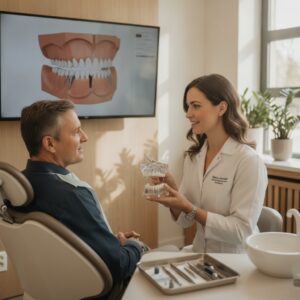
If a bone graft has been recommended for you, here are some good questions to bring to your consultation:
- What type of graft material will you use, and why?
- Will the graft be done at the same time as my extraction or implant, or separately?
- How long will I need to wait before the implant can be placed?
- What should I expect during recovery, and how much time off should I plan for?
- Are there any factors in my health history I should consider?
Our dental team at Dentistry by Design will be happy to walk you through everything and make sure you feel confident about the process. If you have any questions or would like to see if you are a candidate for bone grafting, please call our office or request to schedule a consultation on our website! We are looking forward to giving you the treatment and smile you deserve!