Choosing the right teeth replacement option matters for how you eat, speak, and smile. Whether you need a single tooth or a full-arch solution, the right plan protects oral health and restores confidence. This guide explains common choices and what to expect for teeth replacement in Midwest City.
Why teeth replacement matters
Replacing missing teeth preserves chewing, clear speech, and the shape of your jaw. Timely teeth replacement prevents neighboring teeth from shifting, reduces bone loss, and lowers the risk of further dental problems. Cosmetic and quality-of-life benefits—like a natural-looking smile and easier eating—matter too.
Common teeth replacement options
Dental implants (single-tooth)
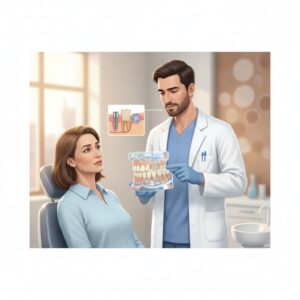
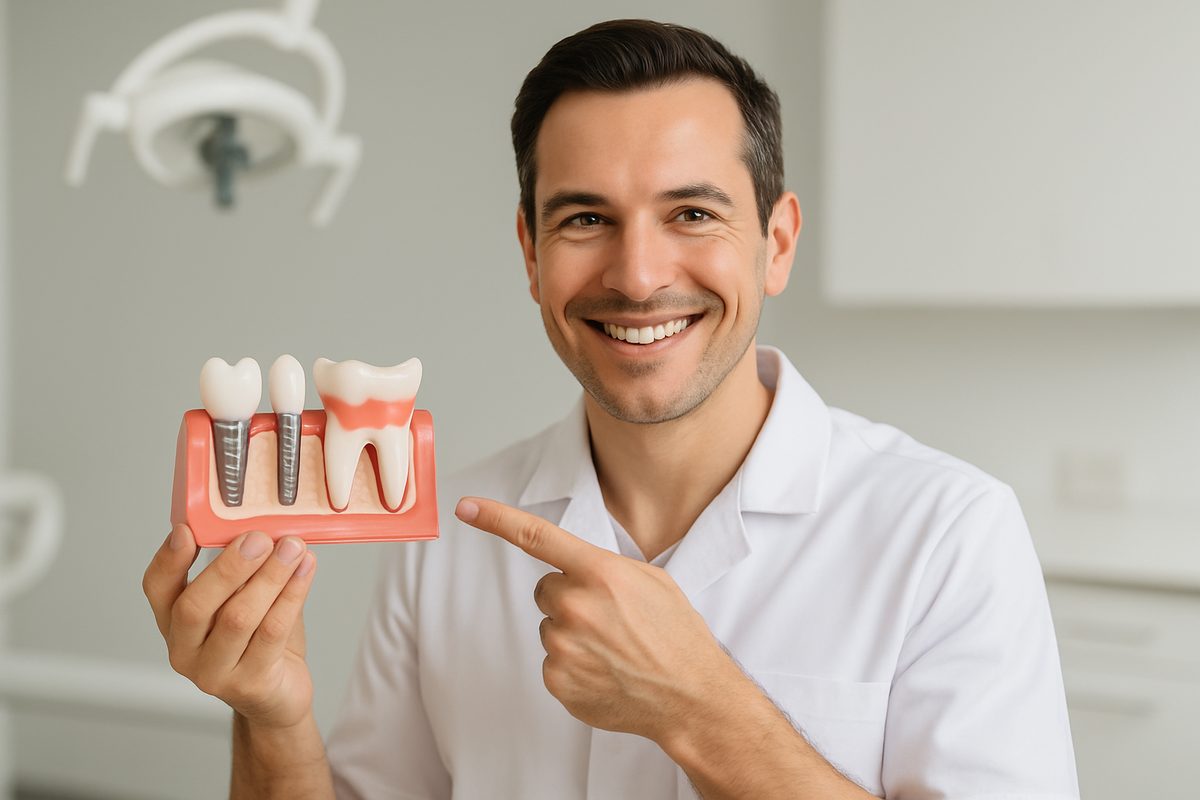
A dental implant is a titanium post placed in the jaw that holds a crown. Implants offer stability, feel like natural teeth, and can last decades with good care. Typical candidates are healthy adults with adequate bone or those willing to have grafting.
Implant-supported bridges & implant-retained dentures
Implant-supported bridges replace several adjacent teeth using implants for support. Implant-retained overdentures snap onto implants for a better fit and function than removable dentures. These options offer more stability than traditional dentures but require surgery and a higher upfront cost.
All-on-4® full-arch restorations
All-on-4® uses four strategic implants to support a full fixed arch. It’s a faster way to restore an entire jaw and often avoids extensive grafting. This helps people who want fixed teeth soon after surgery and improved chewing right away.
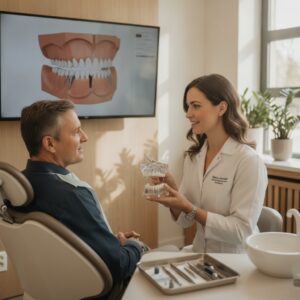
Traditional removable dentures and fixed bridges
Removable dentures and fixed dental bridges are often lower-cost choices. Dentures are easier to get quickly, but need daily removal and regular adjustments. Fixed bridges work well when nearby teeth are strong but may require altering healthy teeth.
What affects the best choice for your teeth replacement
Number and location of missing teeth
A single missing tooth often suits an implant; many missing teeth may need bridges, implants, or All-on-4®.
Bone health and need for grafting
Good bone makes implants simpler. Low bone density can require grafting, which adds time and cost.
Budget, insurance, and time for treatment
Costs range widely. Some choose lower-cost dentures for now; others invest in long-term implant solutions. Insurance and financing shape choices.
Desired function and appearance
If you want near-natural chewing and a fixed smile, implants or All-on-4® are best. If appearance is primary and budget is tight, dentures or bridges might be acceptable.
What to expect during implant or All-on-4® treatment
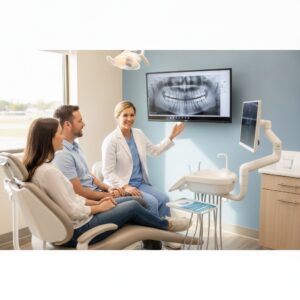
Treatment begins with consultation and digital planning, including scans and X-rays. Surgery places implants in the jaw; sedation options include oral, nitrous oxide, or IV. Healing (osseointegration) usually takes weeks to months, after which the final restoration is attached. Expect mild swelling and a short recovery period.
Costs and payment options for teeth replacement in Midwest City
Costs vary by procedure, number of implants, and need for grafting. Many practices accept major insurance and offer financing such as CareCredit, Cherry, or third-party loans. Get an individualized estimate for teeth replacement in Midwest City to plan finances.
Preparing for treatment and aftercare
Share your medical history and stop smoking before surgery to improve healing. Short-term care includes rest, soft foods, and prescribed meds. Long-term maintenance means good oral hygiene, regular checkups, and nightguards if recommended.
Why choose Dentistry By Design for teeth replacement
Dentistry By Design offers digital planning, in-house surgical suites, CEREC® same-day crowns, and multiple sedation options to make care efficient and comfortable. Experienced doctors guide personalized plans focused on lasting function, natural results, and patient comfort.
Quick FAQs
Q: How long do implants last?
A: With good care, implants often last 20+ years or a lifetime.
Q: Is All-on-4® painful?
A: Most patients report manageable discomfort controlled by medication and sedation; many wake with improved function the same day.
Q: Will insurance help pay for teeth replacement?
A: Some plans cover parts of treatment; financing and payment plans are commonly used for the rest.
Call to action
Schedule a consultation to discuss the best teeth replacement option for your needs in Midwest City.