This post answers common questions about an implant for dental work, what to expect, costs, recovery, and next steps for people considering treatment near Midwest City, OK. If you’re thinking about replacing a missing tooth or switching from a denture to a more permanent solution, this guide will help you understand the basics so you can make an informed decision. We’ll cover what an implant is for dental treatment, who is a good candidate, the treatment steps, risks and recovery tips, costs and financing, alternatives, and quick answers to the top FAQs. Read on to learn what to expect and how to take the next step toward a stable, natural-feeling smile.
What is an implant for dental work?
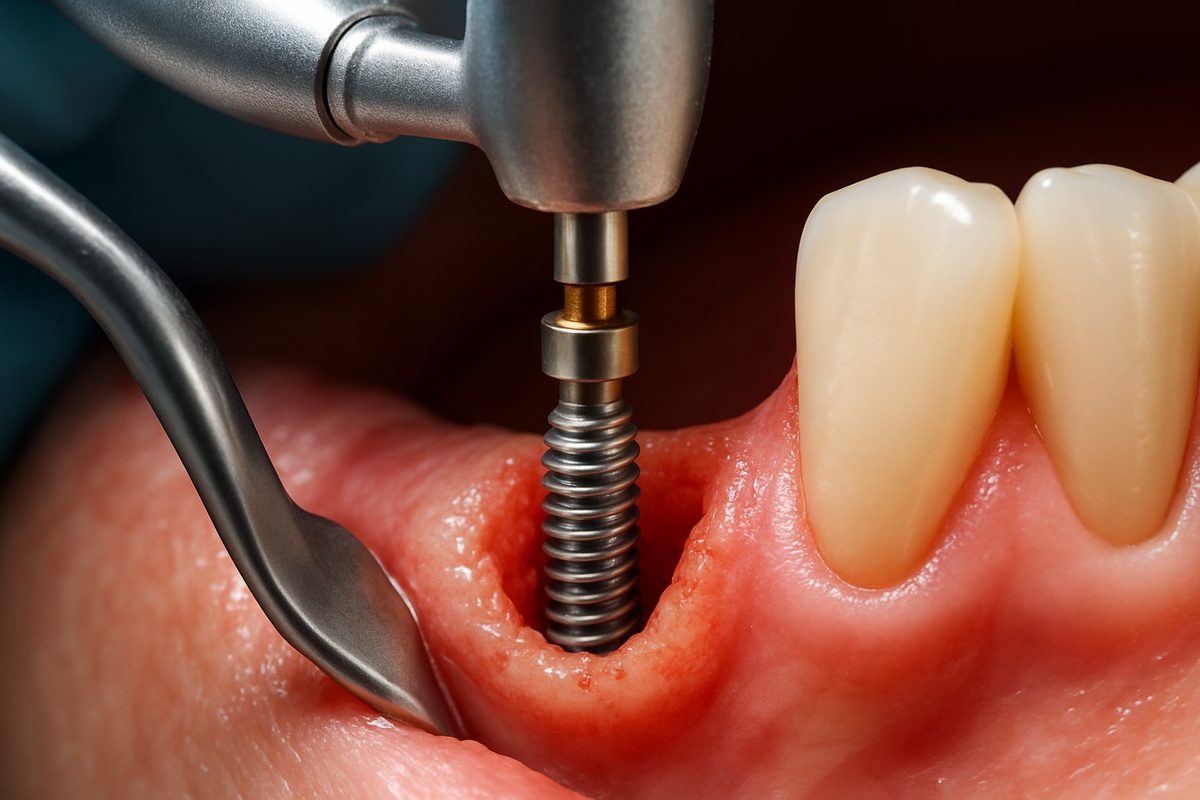
A dental implant is a small titanium post placed into the jaw to replace a missing tooth root. Once the post bonds with the bone, a crown, bridge, or denture is attached. Because the implant becomes part of your jaw, a dental implant usually feels and functions like a natural tooth. Implants stop nearby teeth from shifting and help preserve jawbone over time.
Who is a good candidate for an implant for dental treatment?
Oral health and bone needs
Good candidates have healthy gums and enough jawbone to support dental implants. If bone volume is low, a bone graft can rebuild the area and allow placement. Your dentist will check for gum disease, bone quality, and the fit of nearby teeth to plan safe implant placement.
Medical and lifestyle factors
Certain health issues can affect healing. Uncontrolled diabetes, heavy smoking, and some medications raise the risk of complications. Your dentist will review your medical history and may coordinate with your physician. Many conditions can still allow implants with proper planning and care.
What to expect during the dental implant process
Consultation and digital planning
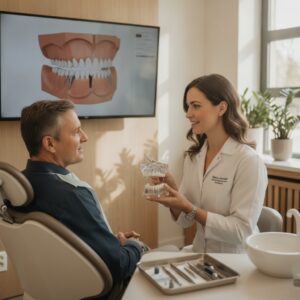
The process starts with an exam and 3D imaging to map bone and nerves. Digital planning shows the ideal implant position for safety and predictable results. This planning step is key to a smooth implant for dental procedure.
Surgery and same-day options
Implant placement is usually an outpatient surgery with local anesthesia and optional sedation. Some patients qualify for same-day temporary teeth after implant placement, depending on bone quality and the treatment plan.
Healing and final restoration
After placement, the implant fuses to bone in a process called osseointegration, which takes a few months. Once healed, the final crown, bridge, or denture is attached. For full-arch needs, All-on-4 can restore a full set of teeth with fewer implants.
Risks, recovery, and aftercare for an implant for dental patients
Common side effects and warning signs
Normal symptoms include soreness, swelling, and minor bleeding for a few days. Contact the office if you have severe pain, fever, heavy bleeding, or signs of infection.
Tips to speed recovery
Follow a soft-food diet for several days, keep the area clean with gentle rinses, avoid smoking, and attend scheduled follow-ups. Good oral hygiene helps implants last longer.
Cost, insurance, and financing for an implant for dental care
What affects the price
Price depends on the number of implants, need for bone grafts or extractions, CT scans, and the type of final restoration (single crown vs. All-on-4). Lab fees and materials also affect cost.
Insurance and payment options
Many dental plans cover part of implant care, but limits vary. Financing options like CareCredit, Cherry, and Proceed Finance can spread payments to make dental implant treatment more affordable.
Alternatives to an implant for dental replacement
Bridges, partials, and dentures are common alternatives. Bridges are fixed but may require altering adjacent teeth. Partials and dentures are less costly up front but can move or need replacement more often. Implants tend to last longer and protect bone, but each option has pros and cons depending on health, budget, and goals.
Why consider Dentistry By Design for an implant for dental care near Midwest City, OK
Dentistry By Design offers digital planning, an in-house surgical suite, sedation options, and CEREC same-day crowns to make implant treatment safe and efficient. Led by Drs. Edward Harroz Jr. and III, the team provides personalized plans, clear education, and a patient-first approach to comfort and long-term results.
Quick FAQ
How long do implants last?
With good care, implants can last decades or a lifetime. Regular checkups and oral hygiene are key.
Does getting an implant for dental treatment hurt?
Surgery is done with anesthesia and often sedation. Most people report manageable discomfort that can be controlled with medications and rest. If you’re ready to learn whether an implant for dental treatment near Midwest City, OK is right for you, call Dentistry By Design to schedule a consultation and 3D exam.