
Yes — the short answer to “can you replace a tooth” is yes. There are reliable ways to replace one or more missing teeth, and the right choice depends on your oral health, budget, and goals for function and appearance. Below are the common options and what to expect so you can talk with a dentist in Midwest City about which solution fits you best.
Why teeth are lost
Common causes of tooth loss include tooth decay, trauma (like a sports injury), advanced gum disease, congenital absence (never developed), and long-term wear or fracture. Decay and trauma often require replacing a single tooth. Gum disease can mean multiple teeth are loose and need broader treatment. If bone has shrunk after a missing tooth, options like dental implants may need extra steps such as grafting.
Can you replace a tooth? Main replacement options
Dental implants
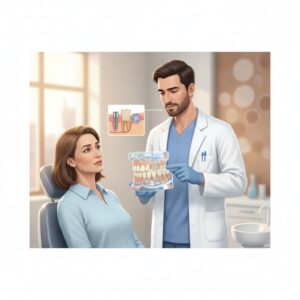
A dental implant is a titanium post placed in the jaw that acts like a tooth root, topped with a tooth crown. Dental implants are the most durable, feel like natural teeth, and help preserve bone. Ideal candidates have good overall health and adequate bone volume. Dental implants take longer and cost more up front but often last the longest.
Dental bridges
A fixed dental bridge replaces one or more missing teeth by anchoring to adjacent teeth. Dental bridges are faster than dental implants and don’t always need surgery. Downsides: nearby teeth must be prepared (shaved) and dental bridges don’t stop bone loss at the extraction site. Dental bridges can be a good middle-ground when dental implants aren’t possible or desired.
Removable partial and full dentures
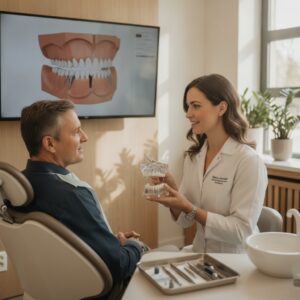
Modern removable dentures can replace several or all teeth. They’re typically the most affordable option and are easier to adjust as needs change. Maintenance includes daily cleaning and occasional relines. Removable dentures can feel less stable than dental implants and may affect chewing efficiency.
Temporary or conservative options
Resin-bonded (Maryland) bridges and “flipper” temporary dentures are low-cost, quick fixes. They work well as short-term solutions while you plan definitive treatment or when budget or health limits prevent more invasive care.
Key factors that determine which option is best
Important factors include bone volume and gum health, how many and where teeth are missing, your overall health (e.g., diabetes, smoking), how quickly you need a solution, and your budget or insurance. A dentist will evaluate these to recommend the safest, most predictable plan.
What to expect during the replacement process
Dental implant care usually involves consultation, digital planning, surgical placement, a healing period for bone integration, then a tooth crown. Total time can be several months. Dental bridges and dentures involve tooth preparation or impressions, try-ins, and final delivery—often completed in a few weeks. Recovery time is typically short; dental implant surgery may have a few days of soreness.
Costs, insurance, and financing
Dental implants generally cost more than dental bridges or dentures but offer long-term value. Insurance may cover parts of dental bridges or dentures; dental implant coverage varies. Many practices offer financing like CareCredit, Cherry, or in-house plans to spread payments.
Why consider Dentistry By Design for tooth replacement
Dentistry By Design in Midwest City offers dental implant expertise, digital planning, CEREC same‑day crowns, and several sedation options to make treatment precise and comfortable. Their team creates personalized plans that balance durability, appearance, and cost.
Replace a Tooth in Midwest City—Schedule Your Consultation Today
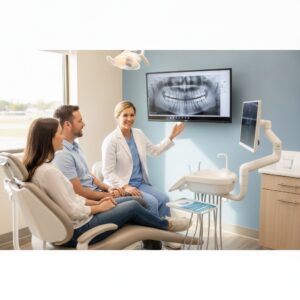
If you’re wondering “can you replace a tooth in Midwest City,” contact us to schedule a consultation for X‑rays and a tailored plan. Call Dentistry By Design or book an evaluation to discuss dental implants, dental bridges, or dentures and find the option that fits your health and goals.