Dental Implant Materials: Titanium, Zirconia, Longevity and Success
The materials used in dental implants play an important role in their strength, stability and long-term performance. An implant must tolerate daily biting forces while remaining compatible with the gums, bone and surrounding oral structures.
Most modern dental implants are made from titanium or a titanium alloy. Zirconia, a strong ceramic material, may also be considered in selected clinical situations. Each material has distinct characteristics, and the right choice depends on the patient’s anatomy, oral health, treatment goals and type of restoration.
If you are considering dental implants in Midwest City, OK, understanding these materials can help you ask informed questions during your consultation.
What Is a Dental Implant Made Of?
A complete dental implant restoration usually includes three separate components:
- The implant post: The portion surgically placed within the jawbone to replace the missing tooth root.
- The abutment: A connector positioned between the implant post and the visible restoration.
- The restoration: The crown, bridge, removable denture or fixed full-arch prosthesis that replaces the visible teeth.
These components do not always have to be made from the same material. For example, a titanium implant may support a zirconia abutment and a ceramic crown. The dentist selects each component according to the implant position, bite forces, tissue thickness, cosmetic requirements and restoration design.
Patients who want to learn more about the connector between the implant and restoration can read our guide to dental implant abutments.
Why Does Dental Implant Material Matter?
An implant material must perform several demanding functions. It must be strong enough to support chewing, resistant to corrosion and wear, and compatible with the surrounding biological tissues.
An appropriate implant material should offer:
- High biocompatibility
- Sufficient strength for normal biting forces
- Resistance to corrosion in the oral environment
- A surface capable of supporting bone integration
- Long-term structural stability
- Compatibility with the planned restoration
Material is important, but it is only one part of implant success. Proper diagnosis, precise surgical placement, healthy gum tissue, adequate bone, restoration design and ongoing maintenance are also essential.
What Is Osseointegration?
Osseointegration is the biological process through which living bone develops close contact with the surface of a dental implant. This process helps stabilize the implant so it can support a replacement tooth.
Osseointegration does not happen immediately. After implant placement, the bone needs time to heal around the post. The length of this healing period varies according to:
- Bone density and volume
- The implant’s location
- The number of implants placed
- The patient’s medical history
- Tobacco use
- The initial stability of the implant
- Whether grafting was required
- The forces placed on the temporary restoration
Once the implant is sufficiently integrated, it may support a crown, bridge, implant-supported denture or full-arch restoration.
Titanium Dental Implants
Titanium has been widely used in implant dentistry because it combines strength, corrosion resistance and biocompatibility. Most implant systems use commercially pure titanium or a titanium alloy specifically engineered for medical and dental applications.
The material develops a stable oxide layer when exposed to oxygen. This surface contributes to corrosion resistance and helps support a favorable interaction between the implant and surrounding tissues.
Advantages of Titanium Dental Implants
Potential advantages include:
- Extensive clinical history: Titanium implants have been used and studied for decades.
- High strength: Titanium can tolerate substantial biting and chewing forces.
- Biocompatibility: It is generally well tolerated by the body.
- Corrosion resistance: Titanium is designed to remain stable in the oral environment.
- Treatment flexibility: Many implant sizes, shapes and restoration components are available.
- Multi-component designs: The implant and abutment can be selected separately to accommodate different anatomical and restorative needs.
Possible Limitations of Titanium
Titanium may not be every patient’s preferred option. Considerations can include:
- A patient’s preference for a metal-free restoration
- Very thin or receding gum tissue that may reveal a gray tone
- A history of suspected material sensitivity
- The visibility and cosmetic demands of the treatment area
A suspected metal allergy should be discussed with the dentist and the patient’s physician or allergy specialist when appropriate. Self-reported sensitivity does not automatically mean that titanium implants are unsuitable.
What Is a Titanium Alloy?
A titanium alloy combines titanium with carefully selected elements to modify properties such as strength and fatigue resistance. The exact composition varies among implant systems.
Alloys may allow manufacturers to create smaller or stronger components for areas exposed to significant functional forces. However, the implant system must still be selected according to the patient’s bone, bite and restoration—not solely according to material strength.
Zirconia Dental Implants
Zirconia is a high-strength ceramic used in several areas of restorative dentistry. It is white rather than metallic gray, which may offer a cosmetic advantage in areas with thin gum tissue.
Zirconia implants are sometimes described as “metal-free.” They may appeal to patients who prefer ceramic-based treatment or have specific concerns about metal components.
Advantages of Zirconia Dental Implants
Potential advantages include:
- Tooth-colored appearance: The white material may be beneficial beneath thin gum tissue.
- Biocompatibility: Zirconia is generally well tolerated by oral tissues.
- Corrosion resistance: Ceramic does not corrode in the same manner as metal.
- Metal-free preference: It provides an alternative for patients who want to avoid metal implants.
Possible Limitations of Zirconia
Zirconia implant treatment may involve considerations such as:
- Fewer component and implant-design options than many titanium systems
- Less long-term clinical history compared with titanium
- Different fracture and fatigue characteristics
- Reduced restorative flexibility with certain one-piece designs
- More limited availability among implant practices
- Suitability that varies according to implant position and bite forces
Not every patient or implant site is appropriate for a zirconia implant. Availability should be confirmed directly with the treating practice.
Titanium vs. Zirconia Dental Implants
| Consideration | Titanium | Zirconia |
|---|---|---|
| Material type | Metal or metal alloy | High-strength ceramic |
| Color | Metallic gray | White |
| Clinical history | Extensive long-term use | Shorter history in implant dentistry |
| Component options | Wide variety | More limited in some systems |
| Restorative flexibility | Highly flexible with many two-piece systems | Depends on whether the system is one-piece or two-piece |
| Cosmetic considerations | May show through extremely thin tissue | White color may benefit thin tissue |
| Metal-free option | No | Yes |
| Availability | Widely available | Varies by practice and clinical situation |
Is Zirconia Better Than Titanium?
Neither material is universally better. Titanium remains the most widely used implant material and offers extensive clinical history, strength and restorative flexibility. Zirconia may be considered when cosmetic factors or a preference for metal-free treatment are especially important.
The decision should account for:
- The location of the missing tooth
- The thickness and condition of the gum tissue
- Available jawbone
- The size and angle of the implant site
- Biting and grinding forces
- The number of teeth being replaced
- The planned restoration
- Patient health and healing factors
- Material preferences
- The clinician’s experience with the selected system
Do Dental Implants Cause Metal Allergies?
True reactions to titanium appear to be uncommon, but any concern about sensitivity should be taken seriously and evaluated individually.
Tell your dentist if you have:
- A diagnosed metal allergy
- A history of reactions to jewelry or medical devices
- Unexplained skin or tissue reactions around metal
- Previous implant complications
- Concerns about the composition of an implant system
The dentist may recommend consultation with an allergist or another physician before proceeding. Testing methods and their relevance to dental implant treatment should be interpreted by qualified healthcare professionals.
Can Titanium Corrode in the Mouth?
Titanium is highly resistant to corrosion because of its protective oxide layer. However, the mouth is a complex environment containing moisture, bacteria, changing acidity and mechanical forces.
Factors that may affect implant surfaces or components include:
- Poor oral hygiene
- Chronic inflammation
- Damage to the implant or abutment surface
- Mechanical wear between connected components
- Excessive bite forces
- Interactions among different dental metals
These considerations do not mean titanium implants routinely corrode or become unsafe. They reinforce the importance of proper component selection, precise treatment and regular professional maintenance.
How Implant Surfaces Support Bone Integration
Modern dental implants may have surfaces engineered to encourage stable bone contact. Manufacturers can alter the microscopic texture or chemistry of an implant surface while preserving its overall shape and strength.
Surface treatments may include:
- Controlled roughening
- Acid etching
- Blasting with selected particles
- Specialized coatings
- Modifications intended to improve surface energy
The goal is to create a surface that supports predictable healing and bone integration. The specific surface technology differs among manufacturers and implant systems.
Does Implant Material Determine Longevity?
Implant material contributes to durability, but it does not determine longevity by itself. An appropriately selected titanium or zirconia implant can still experience complications if other clinical or lifestyle factors are unfavorable.
Factors that influence implant longevity include:
- The quantity and quality of the jawbone
- Accuracy of implant placement
- Health of the gums
- Implant position and angulation
- The design and fit of the restoration
- Daily plaque control
- Professional maintenance
- Smoking or tobacco use
- Diabetes management
- Teeth grinding or clenching
- Excessive biting forces
- The patient’s ability to follow postoperative instructions
Learn more about these considerations in our guide explaining how long dental implants can last.
The Implant Post and Restoration Have Different Lifespans
It is important to distinguish the implant post from the restoration attached to it. The implant post is positioned in the bone, while the crown, bridge or full-arch prosthesis is exposed to chewing forces every day.
A stable implant may remain functional while the attached restoration eventually requires maintenance. Depending on the design, future care could include:
- Tightening or replacing a screw
- Repairing chipped restorative material
- Replacing attachment components
- Adjusting the bite
- Relining an implant-supported denture
- Repairing or replacing a crown, bridge or prosthesis
These maintenance needs do not necessarily indicate that the implant itself has failed.
Materials Used for Implant Crowns and Bridges
The visible restoration attached to an implant may be made from a different material than the implant post. Common restorative materials include:
- Zirconia
- Porcelain
- Porcelain fused to metal
- Lithium-disilicate ceramic
- Composite or acrylic materials
- Hybrid materials used for full-arch prostheses
The dentist and laboratory select the restoration material based on cosmetic goals, implant position, available space, opposing teeth and bite forces.
Materials for Full-Mouth Dental Implants
Full-arch treatment uses several implants to support an entire row of replacement teeth. The implant posts are commonly made from titanium, while the full-arch prosthesis may be fabricated from zirconia, acrylic, composite or a combination of materials and a reinforcing framework.
Each full-arch material offers different characteristics involving:
- Strength
- Weight
- Appearance
- Repairability
- Wear against opposing teeth
- Laboratory requirements
- Initial and long-term cost
Patients replacing a complete upper or lower arch can explore full-mouth dental implants at Dentistry By Design.
What Happens During Dental Implant Planning?
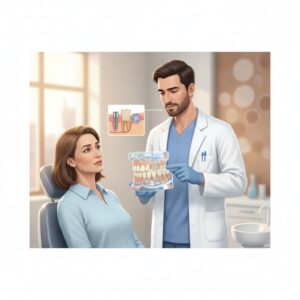
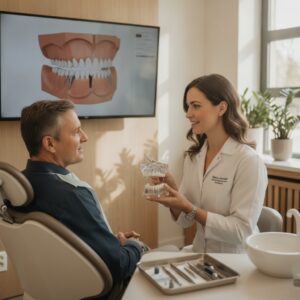
A dental implant consultation typically includes a review of your health history, an oral examination and diagnostic imaging. The team evaluates the proposed implant sites and develops a plan for the surgical and restorative stages.
Planning may assess:
- The number and location of missing teeth
- Bone height, width and density
- The position of nerves and sinus cavities
- Gum health and tissue thickness
- The condition of remaining teeth
- Bite alignment and available restorative space
- Medical conditions and medications
- Patient preferences regarding materials
Advanced planning is especially important because the implant must be positioned to support both biological health and the final restoration.
What if There Is Not Enough Bone?
Bone can shrink after tooth loss because it no longer receives stimulation from the missing tooth root. If the remaining bone cannot adequately support an implant, bone grafting may be recommended.
Grafting materials can include processed human donor bone, animal-derived material, synthetic material or bone collected from the patient. The appropriate option depends on the defect, implant site and treatment plan.
Learn more about available oral surgery, tooth extraction and bone-grafting services.
How to Care for Dental Implant Materials
Implants cannot develop tooth decay, but plaque and bacteria can affect the gum and bone surrounding them. Proper hygiene is essential regardless of whether the implant is made from titanium or zirconia.
Recommended care may include:
- Brushing at least twice a day
- Cleaning around the implant and beneath the restoration
- Using floss, interdental brushes or a water flosser as directed
- Attending regular dental examinations and professional cleanings
- Avoiding tobacco products
- Wearing a nightguard when prescribed
- Seeking care promptly for bleeding, swelling, discomfort or looseness
Follow the specific cleaning instructions provided for your restoration. A single implant crown and a fixed full-arch prosthesis require different hygiene techniques.
Warning Signs That Require Dental Attention
Contact your dental provider if you notice:
- Persistent bleeding around an implant
- Swollen or tender gum tissue
- Drainage, an unpleasant taste or persistent odor
- Pain that develops after the implant has healed
- A loose crown, bridge or denture
- A change in your bite
- Visible recession around the implant
- Movement of the implant itself
Early evaluation may make it easier to address an issue before it becomes more extensive.
How Much Does the Implant Material Affect Cost?
Material can influence the cost of treatment, but the implant post is only one component of the total fee.
Other cost factors may include:
- Diagnostic imaging and digital planning
- The number of implants
- The type of implant system
- Tooth extractions
- Bone grafting
- Sedation or anesthesia
- Temporary restorations
- Abutments and restorative components
- The final crown, bridge or full-arch prosthesis
- Laboratory work
- Follow-up and maintenance
Patients can review information about dental implant financing and payment options before scheduling treatment.
Questions to Ask About Dental Implant Materials
Consider asking the following questions during your implant consultation:
- Which implant material and system do you recommend for me?
- Why is this material appropriate for the location being treated?
- Is the implant a one-piece or two-piece design?
- What material will be used for the abutment?
- What will my final crown or prosthesis be made from?
- Could my gum thickness affect the appearance of the implant?
- How will my bite influence material selection?
- Do any of my health conditions affect the recommendation?
- What maintenance or repair may be needed in the future?
- What warranty or manufacturer documentation is available?
- What alternatives are available if I prefer a metal-free option?
Frequently Asked Questions About Dental Implant Materials
What metal is used in dental implants?
Most dental implants are made from commercially pure titanium or a titanium alloy. Titanium is widely used because of its strength, corrosion resistance, biocompatibility and ability to integrate with bone.
Are all dental implants made from titanium?
No. Zirconia ceramic implants are also available, although they are used less frequently and may not be appropriate for every implant site or treatment plan.
Are zirconia implants completely metal-free?
Zirconia is a ceramic rather than a metal. However, patients requesting a completely metal-free restoration should ask about every component, including the implant, abutment, crown and any reinforcing framework.
Can titanium dental implants rust?
Titanium does not rust in the same way as iron. It forms a protective oxide layer that makes it highly resistant to corrosion. The oral environment can still affect implant surfaces and components, which is one reason ongoing professional care remains important.
Can someone be allergic to a titanium implant?
Reactions appear to be uncommon, but patients with known or suspected metal sensitivity should discuss their history with the dentist. Medical or allergy consultation may be appropriate before treatment.
Do zirconia implants last as long as titanium implants?
Zirconia implants can perform successfully in selected cases, but titanium has a longer and broader clinical history. Longevity depends on much more than material, including placement, bone health, restoration design, oral hygiene and bite forces.
Can a dental implant last a lifetime?
An implant may remain functional for many years and potentially for the patient’s lifetime, but no outcome can be guaranteed. The crown, bridge or prosthesis attached to the implant may require repair or replacement sooner than the implant post.
Which implant material looks most natural?
Both titanium and zirconia implants can support natural-looking restorations. Zirconia’s white color may offer an advantage beneath very thin gum tissue, but the final appearance also depends on implant position, tissue health, abutment selection and crown design.
Can I choose my dental implant material?
Patient preferences are an important part of treatment planning, but the final recommendation should also account for anatomy, bite forces, implant position and available restorative options. Not every material is appropriate for every case.
Choosing Dental Implant Materials in Midwest City, OK
Titanium remains the most established material for dental implant posts because of its strength, biocompatibility and extensive clinical history. Zirconia provides a ceramic alternative that may be considered for selected patients, particularly when cosmetic or metal-free preferences are significant.
Material alone does not guarantee implant success. Careful planning, appropriate placement, adequate bone, healthy gums, a well-designed restoration and consistent maintenance all contribute to a lasting result.
At Dentistry By Design, Dr. Edward Harroz III and the dental team develop personalized implant plans based on each patient’s clinical needs and smile goals. Sedation options are also available for qualified patients who feel anxious about surgical treatment.
Learn more about sedation dentistry in Midwest City or speak with the team about your comfort preferences during consultation.
Ready to explore your dental implant options? Schedule a dental implant consultation in Midwest City, OK to receive a personalized evaluation and material recommendation.